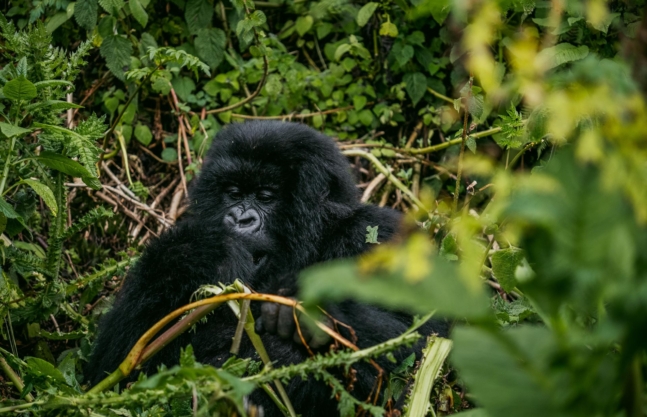
Experience unforgettable gorilla tours in Rwanda and Uganda with Let’s Go Tours Rwanda. Journey deep into the lush rainforests of Bwindi Impenetrable Forest and Volcanoes National Park, home to the rare mountain gorillas in their natural habitat within the Virunga Conservation Area.
Our gorilla trekking safaris are combined with chimpanzee trekking, wildlife viewing, cultural encounters, and mountain adventures, offering a complete East African safari experience. Available all year round, the dry seasons provide the best trekking conditions with less mud and easier forest trails.
Best Rwanda Gorilla Trekking Packages 2026/2027
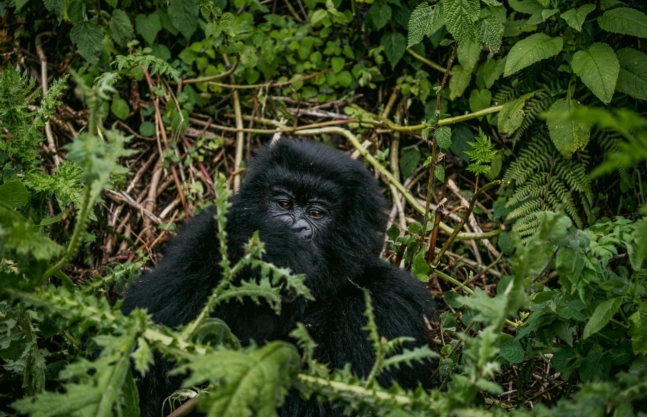
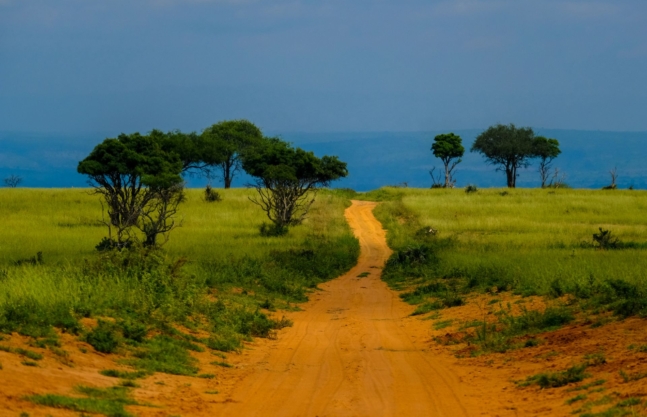
Experience Rwanda gorilla trekking packages in Volcanoes National Park at the best discounted prices.
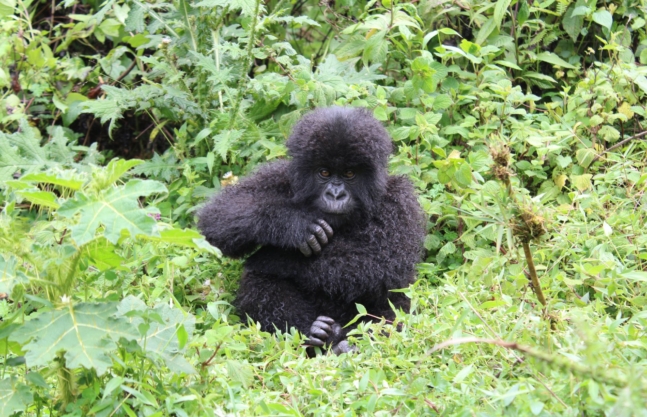
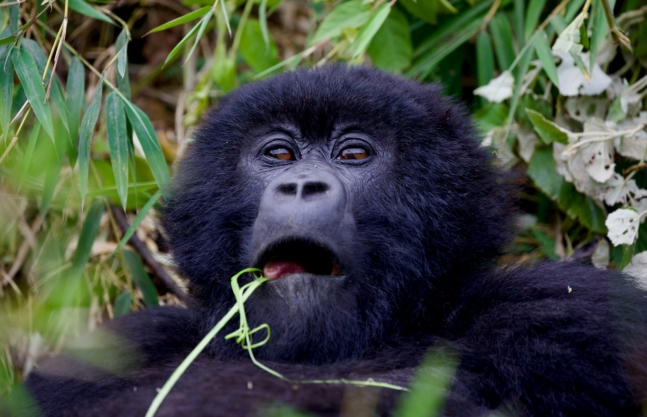
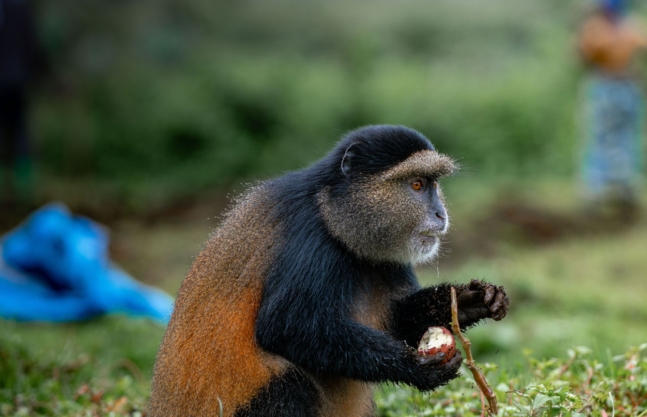
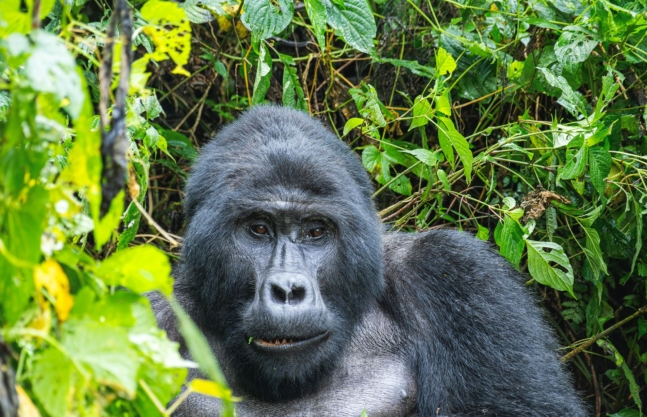
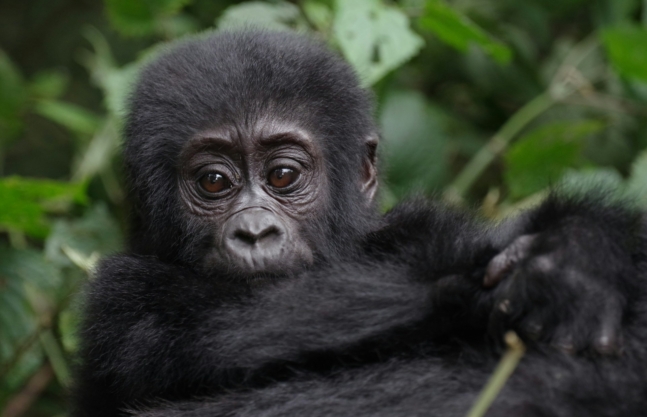
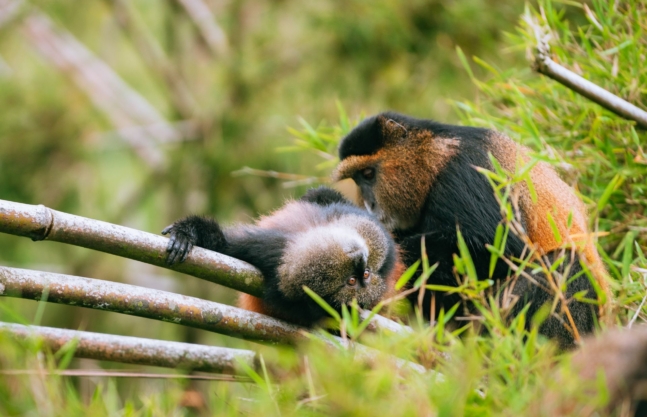
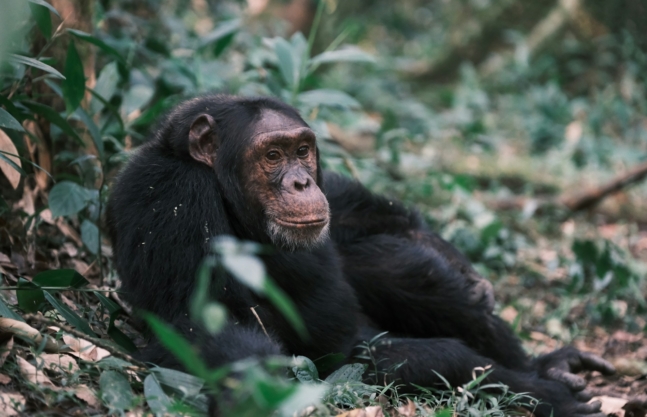
Best Uganda Gorilla Trekking Packages 2026/2027
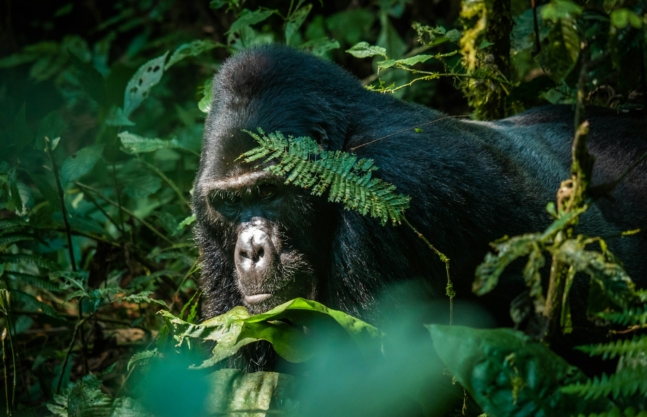
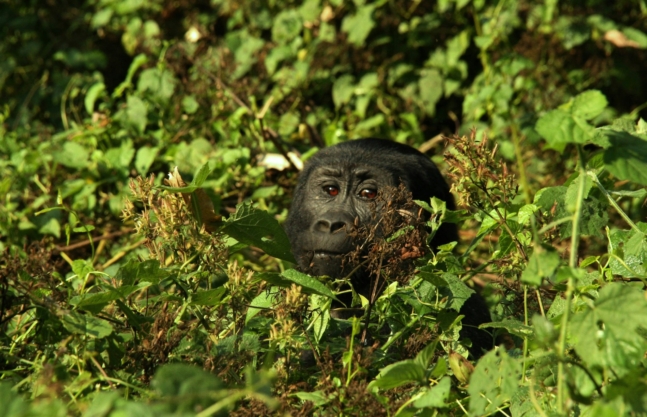
Discover the best Uganda gorilla trekking packages in Bwindi and Mgahinga at discounted costs.
Best Time to Trek Gorillas
Explore the best time to trek gorillas in Rwanda and Uganda, covering both dry and wet seasons for ideal adventures.
Gorilla Trekking in January
January is one of the best months to go gorilla trekking. It is usually dry, so the forest paths are not too muddy. Walking is easier and you don't get too wet. You can also take clear photos because the weather is better. Many people travel this month, so it can be busy.
Gorilla Trekking in February
February is still dry and good for trekking. The ground is easier to walk on and hikes are not too hard. You have a good chance of finding gorillas without much trouble. It is still a popular time, so booking early is important.
Gorilla Trekking in March
In March, rain starts to come back. The forest becomes wet and muddy. Walking gets harder and can take more time. But the forest looks very green and beautiful. There are fewer tourists, so it feels more quiet.
Gorilla Trekking in April
April is one of the wettest months. It often rains a lot. The trails can be slippery and tough to walk on. You may get dirty and wet, but you will still see gorillas. There are not many visitors during this time.
Gorilla Trekking in May
May is still rainy, but sometimes the rain is not as heavy as April. The forest is very green and full of life. Trekking is still hard, but it is peaceful because there are fewer people. You need good shoes and rain gear.
Gorilla Trekking in June
June becomes dry again. This is one of the best times for gorilla trekking. Walking is easier and the weather is better. Many tourists start coming back because conditions improve.
Gorilla Trekking in July
July is one of the busiest months. The weather is dry and nice. The forest paths are easier to walk on. You have a very good chance of seeing gorillas without difficulty. Many people visit during this time.
Gorilla Trekking in August
August is still dry and very popular. Trekking is comfortable and clear. It is one of the best months for a gorilla safari. But you need to book early because lodges and permits fill up fast.
Gorilla Trekking in September
September is still a good month. The weather is mostly dry, but small rains can start near the end. It is a bit less busy than July and August, so it feels more calm.
Gorilla Trekking in October
October brings some rain again. The ground becomes slippery, and walking is harder. But the forest is very green and quiet. There are fewer tourists during this month.
Gorilla Trekking in November
November is a rainy month. You may get heavy rain during your trek. It can be tiring, but you still get to see gorillas. It is also one of the quietest times in the parks.
Gorilla Trekking in December
December becomes dry again. Trekking gets easier and more comfortable. Many people travel for holidays, so it gets busy again. It is a nice way to end the year in the forest.
Useful Gorilla Safari Information
The history of mountain gorilla conservation and gorilla tourism in Africa began to grow strongly in the 1980s and 1990s. At that time, mountain gorillas were close to extinction due to poaching, habitat loss, and disease.
A major figure in gorilla conservation was Dian Fossey, an American researcher and activist. She raised global awareness about the need to protect mountain gorillas and their natural habitat.
Her work helped inspire stronger conservation efforts that continue today.
Conservation Organizations
After increased awareness, major conservation groups were formed. One of the most important is the International Gorilla Conservation Programme (IGCP).
IGCP is a joint project of the African Wildlife Foundation (AWF), Fauna and Flora International (FFI), and the World Wildlife Fund (WWF).
These organizations work together with governments and park authorities to protect gorillas and their habitats.
Conservation Efforts
Several actions have helped increase the number of mountain gorillas today. These include:
- Anti-poaching patrols in national parks
- Education and awareness programs for local communities
- Habitat protection and forest management
- Support for park rangers and conservation staff
- Sharing tourism income with local communities
Because of these efforts, mountain gorilla numbers have increased in Uganda, Rwanda, and the Democratic Republic of Congo.
Where Mountain Gorillas Live Today
Mountain gorillas are now found in protected parks in East Africa. These include:
- Bwindi Impenetrable National Park (Uganda)
- Mgahinga Gorilla National Park (Uganda)
- Volcanoes National Park (Rwanda)
- Virunga National Park (Congo)
Are Mountain Gorillas Safe for Tourism?
Mountain gorillas are still a vulnerable species. They can easily get diseases from humans, such as flu and cough. For this reason, strict rules are followed during gorilla trekking to protect them.
Gorilla Trekking Rules for Safety
- A maximum of 8 visitors are allowed per gorilla family per day.
- Visitors must wash or sanitize hands before entering the park.
- Keep a low voice while trekking and when near gorillas.
- Do not litter in the forest.
- Always follow the ranger guide and use designated trails.
- Keep at least 10 meters distance from gorillas.
- Do not touch gorillas, even if they come close.
- Do not eat, drink, or smoke near gorillas.
- Use flash-free photography only.
- If gorillas show stress, the visit may end early.
- Do not visit if you are sick with flu, cough, or other contagious diseases.
- If you sneeze or cough, turn away and cover your mouth.
- If nature calls, inform the guide for proper assistance.
Behavior During a Gorilla Encounter
If gorillas become agitated or approach closely, visitors should remain calm, avoid eye contact, and follow the guide's instructions. Running away is not recommended because it may trigger defensive behavior.
WHAT IS THE COST OF GORILLA TREKKING IN AFRICA?
There is no single fixed price for gorilla trekking in Africa. Budget, mid-range, and luxury gorilla safaris all have different costs. Each tour company also has its own way of pricing, so costs can change.
Gorilla trekking is one of the top travel experiences in Africa. Anyone planning this trip should be ready and also understand the total cost.
The cost of gorilla trekking in Africa depends on several key things. These include transport, accommodation, gorilla permits, meals, tips, and other personal costs like porter fees.
A 3-day gorilla safari in Uganda can cost about USD 1200 to USD 2900. Most travelers book a full package through a local tour company because it is easier and well organized.
The prices above are only estimates. They can change depending on the tour company and season. Gorilla permit prices are usually fixed for a period of time. Wildlife authorities like Uganda Wildlife Authority (UWA) and Rwanda Development Board (RDB) may review prices after some years.
A gorilla permit allows a visitor to enter the park and see mountain gorillas. It also covers ranger guide services and one hour with the gorillas. These permits are well controlled to protect gorillas and manage tourism income for conservation.
Only a limited number of permits are available each day. Each permit has a serial number and is linked to a specific person. It cannot be transferred or refunded unless there is a medical reason with proof. A valid passport is needed when booking a permit.
Gorilla permit costs
In Africa, gorilla trekking is mainly done in Uganda, Rwanda, and Congo. Each country has its own permit prices.
- Uganda: USD 800 per person per trek
- Gorilla habituation in Uganda: USD 1500 (foreign non-residents), USD 1000 (foreign residents), UGX 300,000 (East Africans and Ugandans)
- Rwanda: USD 1500 per person per trek
- Congo: lower cost compared to Uganda and Rwanda
In Uganda and Rwanda, tourists spend one hour with gorillas during trekking. In habituation, visitors spend up to four hours with gorillas.
Rwanda is more expensive and considered a luxury destination. Uganda has more gorilla families, so more permits are available each day. Uganda can issue over 168 permits per day due to many habituated groups.
Gorilla trekking helps fund conservation. A large part of the money is used to protect gorillas, support parks, and help local communities.
Accommodation
After buying a permit, you need accommodation. Uganda, Rwanda, and Congo offer different types of lodges.
- Budget lodges: USD 30 to 100 per night
- Midrange lodges: USD 100 to 250 per night
- Luxury lodges: USD 300 to 1500 per night
In Rwanda, it is possible to do a 1-day gorilla trip because the park is close to Kigali. A 1-day trip can cost about USD 1700 per person. A 2-day trip can cost around USD 1900. A 3-day luxury trip can range from USD 2000 to 5000.
In Uganda, a 3-day budget gorilla safari can cost about USD 1200 including the permit. A luxury safari can cost about USD 3000 or more. Flights can increase the total cost. Some travelers also use fly-in safaris from Entebbe to airstrips near the parks.
Transport costs (Uganda, Rwanda, and Congo)
Transport is another important part of the cost. You first need to reach Uganda (Entebbe Airport) or Rwanda (Kigali Airport). Some travelers book their own international flights.
Tour companies arrange transport from the airport or hotel to the park. This can be by road or air.
By road, Uganda takes about 8 to 10 hours to reach the park. Rwanda takes about 2 to 3 hours from Kigali to Volcanoes National Park. By air, it takes about 2 hours in Uganda.
4x4 vehicle costs vary:
- Small 4x4: USD 40 to 80 per day
- Mid-size 4x4: USD 80 to 120 per day
- Land Cruiser: USD 150 to 300 per day
Fuel and driver costs may be extra depending on the tour company.
Porters
Porters help carry bags during the trek. They make the hike easier, especially in muddy or steep areas. Hiring a porter also supports local communities near the parks.
Tips
Tips are not included in the safari cost. Many travelers choose to tip guides, drivers, porters, and lodge staff as a way of saying thank you for good service.
Conclusion
Gorilla conservation has improved greatly over the years due to strong protection efforts and responsible tourism. Today, gorilla trekking plays an important role in protecting these rare animals while allowing people to experience them in the wild.
Rwanda is home to the famous mountain gorillas. These rare animals live in the Virunga Mountains, a region shared by Rwanda, Uganda, and the Democratic Republic of Congo.
In Rwanda, gorillas are found in Volcanoes National Park. The park is located in the northwestern part of the country in Musanze. It is made up of volcanoes such as Karisimbi, Bisoke, Sabyinyo, and Muhabura.
Volcanoes National Park is also called Parc des Volcans. It is the main place in Rwanda where visitors go for gorilla trekking and other activities like golden monkey tracking, volcano hiking, and cultural visits.
Gorilla Families in Rwanda
Volcanoes National Park has about 12 habituated gorilla families. 11 groups are open for tourism and 1 group is used for research.
Each day, only a small number of visitors are allowed to visit gorillas. Each gorilla family is visited by a limited group of people to protect the animals.
Gorilla families live on different volcano slopes. Some are easy to reach, while others require a hard hike. Visitors choose a group depending on fitness level and interest.
Gorilla Trekking Experience
To see gorillas in Rwanda, you must have a gorilla trekking permit. The Rwanda Development Board (RDB) issues these permits, and they can also be booked through a trusted tour company. A permit costs $1500 per person.
On the day of trekking, visitors meet at Kinigi Park Headquarters in the morning for a briefing. Rangers explain the rules and safety guidelines.
After the briefing, visitors go into the forest with guides and rangers to find a gorilla family. The trek can take from 30 minutes to several hours depending on where the gorillas are.
Once the gorillas are found, visitors are allowed to spend one hour with them. This is a special moment to watch them eat, play, and take care of their young ones.
Why Rwanda is the Best Place for Gorilla Trekking
Easy Access
Volcanoes National Park is only about 2 to 3 hours from Kigali. This makes Rwanda the easiest country for gorilla trekking. Visitors can even do short trips of 1 or 2 days.
Safety
Rwanda is one of the safest countries in Africa for tourists. The country is peaceful and well organized, and all national parks are secure.
Well-Managed Gorilla Families
Rwanda has well-protected and habituated gorilla families. Some of the well-known groups include Susa, Sabyinyo, Amahoro, Hirwa, Agashya, Umubano, Titus, Bwenge, and Kwitonda.
Conservation Support
When you buy a gorilla permit, you help protect mountain gorillas and support conservation work in Rwanda. This helps protect endangered wildlife for the future.
Accommodation Options
There are many places to stay near Volcanoes National Park. Options include budget, midrange, and luxury lodges in Musanze and nearby areas.
Other Activities
Rwanda offers more than gorilla trekking. Visitors can also explore Nyungwe Forest National Park for chimpanzee tracking, Akagera National Park for safari game drives, and Gishwati-Mukura National Park for nature walks and birding.
Best Time to Visit Rwanda for Gorillas
Gorilla trekking is available all year round. The best time is during the dry seasons from June to September and December to February. During this time, forest trails are easier to walk on.
The rainy seasons are from March to May and October to November. During these months, there are fewer tourists, but trekking can be more difficult due to mud and rain.
What to Pack
Visitors should bring hiking boots, a rain jacket, gloves, long trousers, long-sleeved shirts, a hat, sunscreen, snacks, water, binoculars, and a camera without flash.
Conclusion
Gorilla trekking in Rwanda is a once-in-a-lifetime experience. It gives visitors a chance to see mountain gorillas in the wild while also supporting conservation efforts.
Let's Go Tours Rwanda can help you book your gorilla permits and plan your complete Rwanda safari.
Uganda is one of the three countries in East Africa where you can see the rare mountain gorillas. These endangered animals live only in Uganda, Rwanda, and the Democratic Republic of Congo.
In Uganda, gorillas are found in Bwindi Impenetrable National Park and Mgahinga Gorilla National Park, both located in the southwestern part of the country.
Uganda has about 13 habituated gorilla families available for trekking. Some of the well-known groups include Mubare, Habinyanja, Rushegura, Bitukura, Nshongi, Nkuringo, and Nyakagezi.
Bwindi Impenetrable National Park
Bwindi is home to almost half of the world's remaining mountain gorillas. The park has more than 20 habituated gorilla families, and most of them are open for tourism.
Each day, a limited number of gorilla permits are issued for visitors to trek in Bwindi. These permits allow tourists to hike into the forest to search for gorilla families.
Bwindi is divided into four sectors: Buhoma, Ruhija, Rushaga, and Nkuringo. Each sector has different gorilla families and different trekking experiences.
Mgahinga Gorilla National Park
Mgahinga Gorilla National Park has one habituated gorilla family called Nyakagezi. This group is known for moving between Uganda, Rwanda, and sometimes the Democratic Republic of Congo, although it now mostly stays in Uganda.
Gorilla Habituation Experience
Uganda also offers a special activity called the Gorilla Habituation Experience. This is where wild gorillas are slowly trained to get used to human presence.
Visitors who take part in this experience spend more time with gorillas compared to normal trekking. It takes place mainly in the Rushaga sector of Bwindi.
Gorilla Permits in Uganda
To trek gorillas in Uganda, you must have a gorilla permit. The Uganda Wildlife Authority issues these permits, or they can be booked through a trusted tour company.
A gorilla permit costs $800 per person in the peak seasons, which include June, July, August, September, October, December, January, and February.
During the low seasons of March, April, May, and November, permits may be offered at lower rates depending on availability and government promotions.
Gorilla Trekking Experience
On the day of trekking, visitors report to the park headquarters early in the morning, usually around 7:00 AM, for a briefing by park rangers.
During the briefing, visitors are given rules and safety guidelines to follow while in the forest.
After the briefing, visitors enter the forest with guides and armed rangers to search for a gorilla family. The trek can take from 30 minutes to several hours depending on the location of the gorillas.
Once the gorillas are found, visitors are allowed to spend one hour with them. During this time, you can watch them feed, play, rest, and care for their young ones.
Why Gorilla Trekking in Uganda is Special
Gorilla trekking in Uganda is a life-changing experience. Walking through the thick forest, you may feel tired, but seeing the gorillas in their natural home makes the journey worth it.
The moment you see a gorilla family in the wild is unforgettable. You can watch their behavior closely and enjoy a rare connection with one of the world's most amazing animals.
What Makes Uganda the Best Gorilla Trekking Destination?
Uganda is one of the best places in Africa to see mountain gorillas in the wild. These rare animals live only in Uganda, Rwanda, and the Democratic Republic of Congo, and trekking them in Uganda is a unique and unforgettable experience.
Mountain gorillas live in tropical forests and can only be seen by hiking through their natural habitat. Uganda offers some of the best opportunities to do this in Africa.
Two Gorilla Trekking Parks in Uganda
Uganda has two national parks where you can see mountain gorillas: Bwindi Impenetrable National Park and Mgahinga Gorilla National Park.
Having two gorilla parks makes Uganda special because it offers more trekking options compared to Rwanda and Congo, which each have fewer locations.
Home to Half of the World's Mountain Gorillas
Uganda is home to more than half of the world's remaining mountain gorillas. Many of them live in Bwindi Impenetrable National Park, which is a UNESCO World Heritage Site.
Bwindi covers about 331 square kilometers and protects a large number of wildlife species. Mgahinga Gorilla National Park is smaller but very important, covering about 33.7 square kilometers and home to the Virunga volcanoes.
Many Gorilla Families
Uganda has one of the highest numbers of habituated gorilla families in Africa. More than 20 gorilla families are open for tourism.
These families are spread across Bwindi's four sectors: Buhoma, Ruhija, Rushaga, and Nkuringo. Mgahinga has one gorilla family called Nyakagezi.
Some of the well-known gorilla families include Mubare, Habinyanja, Rushegura, Bitukura, Oruzogo, Nshongi, Nkuringo, Bweza, Busingye, Kahungye, and Nyakagezi.
Multiple Trekking Sectors
Uganda offers gorilla trekking in several sectors, giving visitors more choice. Bwindi alone has four trekking sectors: Buhoma, Ruhija, Rushaga, and Nkuringo.
Each sector offers different landscapes, trekking difficulty levels, and gorilla families.
Affordable Gorilla Permits
Uganda is one of the most affordable gorilla trekking destinations in Africa.
A gorilla permit in Uganda costs about $800 for foreign non-residents, $700 for foreign residents, and lower rates for East African citizens.
In comparison, Rwanda charges $1500 per permit, making Uganda a more budget-friendly option.
Easy Booking Process
Gorilla permits in Uganda can be booked through trusted tour operators. It is best to book early, usually 2 to 6 months in advance, because permits are limited.
Tour companies help visitors secure permits and plan the full safari experience.
Safe Gorilla Trekking Experience
Uganda is a safe destination for gorilla trekking. Park rangers and guides accompany visitors during treks to ensure safety for both tourists and gorillas.
More Than Just Gorillas
Uganda offers many other safari experiences that can be combined with gorilla trekking.
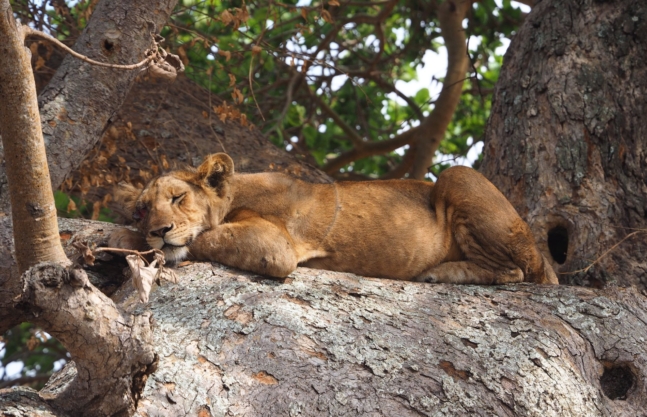
Visitors can explore Queen Elizabeth National Park, famous for tree climbing lions in the Ishasha sector, or visit Lake Mburo National Park for zebras, giraffes, and other wildlife.
Kibale National Park is also popular for chimpanzee tracking and forest walks. Other primates in Uganda include golden monkeys, colobus monkeys, and baboons.
Good Weather for Trekking
Uganda has a warm climate throughout the year, making it possible to visit at any time.
The best trekking conditions are during the dry seasons: June to September and December to February. During these months, forest trails are easier to walk on.
Conclusion
Uganda is a top gorilla trekking destination because it has many gorilla families, affordable permits, diverse national parks, and a rich wildlife experience. It offers one of the best chances to see mountain gorillas in their natural home.
Where is the best place for gorilla tours in Africa? This is one of the most common questions asked by people who want to see mountain gorillas. There is no single answer because every traveler has a different experience.
Let's Go Tours Rwanda brings you information about all the places where these endangered gorillas live. This will help you choose the destination that is right for you. If you would like to compare gorilla trekking experiences, it is best to visit more than one gorilla destination before making your own decision.
The main gorilla parks in Africa include:
Bwindi Impenetrable National Park
Located in southwestern Uganda, Bwindi Impenetrable National Park is one of the most popular places for gorilla trekking. The park has more than 17 habituated gorilla families that visitors can trek.
More than 600 mountain gorillas live in Bwindi, which is almost half of the world's remaining mountain gorilla population. Because of the large number of gorilla families, it is usually easier to get a gorilla permit here than in other parks.
Some gorilla families live in steep and high areas of the forest, which can make trekking challenging. For this reason, Bwindi is often a good choice for active travelers.
The park has four sectors: Buhoma in the north, Ruhija in the east, and Rushaga and Nkuringo in the south. Besides gorilla trekking, visitors can also take part in the Gorilla Habituation Experience, where they spend up to four hours with a gorilla family that is still getting used to people.
Volcanoes National Park
Volcanoes National Park is located in northwestern Rwanda and is home to more than 400 mountain gorillas. Gorilla permits in Rwanda cost $1,500 per person.
The park has 10 habituated gorilla families that are open for trekking. Let's Go Tours Rwanda offers tailor-made gorilla safaris and other wildlife experiences across Rwanda.
Other activities in and around the park include golden monkey trekking, visiting the Twin Lakes, exploring the Musanze Caves, and hiking to Dian Fossey's grave. These activities can be combined with gorilla trekking to create a complete Rwanda safari.
Virunga National Park
Virunga National Park is located in eastern Democratic Republic of Congo. It is home to eight habituated gorilla families, making several gorilla permits available each day.
Virunga receives fewer visitors than other gorilla parks because of security concerns in the region. However, it remains an exciting destination for travelers looking for a unique gorilla trekking experience.
The park is also home to Mount Nyiragongo and Mount Nyamuragira, two active volcanoes that attract visitors from around the world.
Mgahinga Gorilla National Park
Mgahinga Gorilla National Park is located in southwestern Uganda. It is home to the Nyakagezi Gorilla Family, the only habituated gorilla family in the park.
Although it is Uganda's smallest national park, Mgahinga has many attractions. The park is also home to the endangered golden monkeys and several other monkey species.
Visitors can hike the three volcanoes found in the park: Mount Gahinga, Mount Sabyinyo, and Mount Muhabura.
The Batwa Cultural Trail is another popular activity. It gives visitors a chance to learn about the culture, traditions, and way of life of the Batwa people who once lived in the forest.
Gorilla Permit Costs
Note:
- Uganda Gorilla Permit: $800 per person
- Rwanda Gorilla Permit: $1,500 per person
- Democratic Republic of Congo Gorilla Permit: $400 per person
The Gorilla Habituation Experience in Bwindi Impenetrable National Park costs $1,500 per person and allows visitors to spend up to four hours with a gorilla family.
It is important to prepare well before going gorilla trekking in Uganda or Rwanda. Good preparation will make your trek more comfortable and enjoyable. Let's Go Tours Rwanda brings you a simple guide on what to pack for your gorilla safari.
You should carry the right clothing, hiking gear, personal items, and travel documents to make your trek easier.
Clothing for Gorilla Trekking
Long-Sleeved Shirts and Jackets
Long-sleeved shirts help protect your arms from insects, thorns, and tree branches. A light jacket will keep you warm during the cool morning hours and when it rains.
Short-Sleeved Shirts
It is a good idea to wear layers. If the weather becomes hot during the hike, you can remove your outer clothing and remain comfortable.
Long Trousers
Lightweight long trousers protect your legs from insect bites, stinging plants, and thick vegetation.
Long Socks
Wear long socks that reach your knees. Tuck your trousers into the socks to help prevent insects from getting inside.
Hiking Boots
Strong waterproof hiking boots are highly recommended. Trails can be muddy, steep, and slippery, especially during the rainy season.
Rain Jacket
Mountain gorillas live in tropical rainforests where rain can fall at any time of the year. A lightweight waterproof rain jacket is essential.
Gloves
Gloves help protect your hands when holding branches or walking through thick vegetation. They also keep your hands warm on cold mornings.
Hat, Headband, or Hair Ties
A hat protects you from the sun and light rain. Hair ties can help keep long hair neat and comfortable during the trek.
Toiletries and Medicines
Anti-Malaria Medication
Talk to your doctor before traveling and take any recommended anti-malaria medication, especially if you are visiting tropical areas.
Insect Repellent
An insect repellent helps protect you from mosquito bites and other insects found in the forest.
Tissues or Toilet Paper
Carry a small pack of tissues or toilet paper in your daypack for personal use during the trek.
Other Important Items
Camera
Bring a good camera to capture your gorilla trekking experience. Remember that flash photography is not allowed near gorillas. A waterproof bag is also useful for protecting your camera from rain.
Binoculars
A pair of binoculars is useful for spotting birds and other wildlife along the trekking trails.
Documents and Money
Passport and Gorilla Permit
Carry your passport and gorilla trekking permit. These documents are required before you can enter the park and begin your trek.
Cash
Carry some small cash for tipping guides and porters, buying souvenirs, or paying for personal expenses around the park.
Food and Drinks
Drinking Water
Bring enough drinking water to stay hydrated during the hike.
Packed Lunch and Snacks
Gorilla treks can take several hours. Carry snacks such as nuts, energy bars, or dried fruits, as well as a packed lunch if provided by your lodge.
Final Packing Checklist
- Long-sleeved shirt
- Light jacket
- Long trousers
- Long socks
- Waterproof hiking boots
- Rain jacket
- Gloves
- Hat or cap
- Insect repellent
- Personal medication
- Tissues or toilet paper
- Camera
- Binoculars
- Passport
- Gorilla permit
- Cash for tips and souvenirs
- Drinking water
- Snacks and packed lunch
Packing the right items will help you enjoy a safe, comfortable, and memorable gorilla trekking experience in Uganda or Rwanda.
Rwanda's Volcanoes National Park is home to mountain gorillas that live in the Virunga Mountains. The park protects a large part of the world's remaining mountain gorillas.
The park has 12 habituated gorilla families. 11 are open for tourism and 1 is used for research and study. The Rwanda Development Board (RDB) manages gorilla tourism and helps protect these animals while allowing visitors to see them safely.
Each day, a limited number of tourists are allowed to visit gorillas. Each gorilla family is visited by a small group of people to protect the animals and reduce disturbance.
The gorilla families live on different volcano slopes. Some groups live on steep high slopes, others on medium slopes, and some on gentle slopes. This means trekking can be easy, moderate, or difficult depending on the family you visit.
Some of the main gorilla families in Volcanoes National Park include Susa, Sabyinyo, Amahoro, Umubano, Kwitonda, Hirwa, Agashya, and others.
Susa Family
The Susa family is one of the oldest gorilla groups in Rwanda. It was also studied by Dian Fossey in the past. It lives on the high slopes of Mount Karisimbi. This is one of the hardest groups to trek and is best for strong and fit hikers.
Susa B (Karisimbi Group B)
This group lives on the higher slopes of Mount Karisimbi. It is also a difficult trek and includes several silverbacks.
Titus Family
The Titus family is one of the original gorilla groups in Volcanoes National Park. It lives between Mount Karisimbi and Mount Bisoke.
Sabyinyo Family
The Sabyinyo family lives on the lower slopes of Mount Sabyinyo. It is one of the easiest gorilla families to trek. It has two silverbacks who live peacefully together.
Amahoro Family
Amahoro means “peace” in the local language. This family is known for being calm. It lives on the slopes of Mount Bisoke and offers a moderate trekking experience.
Agashya Family
Agashya family was once called Group 13. It is one of the largest gorilla families in the park. It is led by a strong silverback named Agashya and is known for moving across different areas, which can make trekking unpredictable.
Umubano Family
The Umubano family was formed after splitting from the Amahoro family. It is led by a silverback named Charles and is a smaller group.
Kwitonda Family
Kwitonda means “humble one.” This family lives on the slopes of Mount Muhabura. It can be easy or difficult to trek depending on where the group is located.
Hirwa Family
The Hirwa family was formed in 2006 from members of other groups. It is a stable and peaceful gorilla family.
Ugende Family
Ugende means “always on the move.” This group is known for moving frequently, which can make trekking more challenging.
Bwenge Family
The Bwenge family is known for its calm behavior and strong leadership. It is located on the slopes of Mount Karisoke and is one of the well-known gorilla groups in the park.
Important Note
Rwanda gorilla trekking permits are limited each day to protect the animals. Visitors are guided by park rangers to ensure safety and conservation.
Let's Go Tours Rwanda can help you book permits and plan your gorilla trekking safari in Volcanoes National Park.
Uganda is one of the best places in the world to see mountain gorillas in their natural habitat. Gorilla trekking takes place in Bwindi Impenetrable National Park and Mgahinga Gorilla National Park, both located in southwestern Uganda.
Bwindi is home to almost half of the world's remaining mountain gorillas and has the largest number of habituated gorilla families available for trekking. Mgahinga Gorilla National Park has one habituated gorilla family that visitors can track throughout the year.
Today, Uganda has more than 20 habituated gorilla families open for tourism. These families are spread across the four trekking sectors of Bwindi: Buhoma, Ruhija, Rushaga, and Nkuringo. Each gorilla family has its own history, size, and behavior, making every trek a unique experience.
Visitors can also take part in the Gorilla Habituation Experience in the Rushaga sector of Bwindi. This special activity allows guests to spend up to four hours with a gorilla family that is still getting used to human presence.
The main gorilla families that can be visited in Uganda include Mubare, Habinyanja, Rushegura, Bitukura, Oruzogo, Nkuringo, Nshongi, Mishaya, Kahungye, Bweza, Busingye, Nyakagezi, Kutu, Mucunguzi, Christmas, Rwigi, Mukiza, Posho, Bikingi, Bushaho, and several others.
Buhoma Sector Gorilla Families
The Buhoma sector is the most popular trekking area in Bwindi and was the first part of the park to offer gorilla trekking.
Mubare Family
Mubare was the first gorilla family to be habituated in Uganda and opened for tourism in 1993. The group was named after Mubare Hill, where it was first spotted. Today, it remains one of the most sought-after gorilla families in Bwindi.
Habinyanja Family
Habinyanja was habituated in 1997 and opened for visitors in 1999. The group was named after a swamp in the area. It is one of the oldest and largest gorilla families in the Buhoma sector.
Rushegura Family
Rushegura split from the Habinyanja family in 2002. It is known for being calm and is often considered one of the easiest gorilla families to track in Bwindi.
Ruhija Sector Gorilla Families
Ruhija is located in the eastern part of Bwindi and offers beautiful forest views and excellent gorilla trekking experiences.
Bitukura Family
Bitukura is famous for having one of the shortest habituation periods ever recorded. The family is known for its peaceful nature and often includes several silverbacks living together.
Oruzogo Family
Oruzogo opened for tourism in 2011 and is one of the most active gorilla families in Bwindi. Visitors often enjoy watching the playful young gorillas in this group.
Kyaguriro Family
Kyaguriro is mainly used for research and monitoring purposes. It is not normally available for regular gorilla trekking.
Nkuringo Sector Gorilla Families
Nkuringo Family
The Nkuringo family was opened for tourism in 2004 and is known for living in a beautiful mountainous area. Treks here can be challenging but reward visitors with stunning views and unforgettable gorilla encounters.
Rushaga Sector Gorilla Families
Rushaga has the largest number of gorilla families in Bwindi and offers the highest chance of obtaining a gorilla permit, especially during peak travel seasons.
Nshongi Family
Nshongi was once the largest habituated gorilla family in Bwindi. It remains one of the most famous groups in the park.
Mishaya Family
Mishaya split from the Nshongi family and is known for its adventurous and active silverback.
Kahungye Family
Kahungye is a large gorilla family that was opened for tourism in 2011 and offers excellent trekking experiences.
Bweza Family
Bweza also originated from the Nshongi family and is popular with visitors looking for a quieter trekking experience.
Busingye Family
Busingye broke away from the Kahungye family and is known for its strong and protective silverback.
Bushaho Family
Bushaho is one of the newer gorilla families in Rushaga and is available for trekking throughout the year.
Bikingi Family
Bikingi was originally part of the Gorilla Habituation Experience and is now one of the notable groups in the Rushaga sector.
Mgahinga Gorilla National Park
Nyakagezi Family
The Nyakagezi family is the only habituated gorilla family in Mgahinga Gorilla National Park. It is known for having several silverbacks living together peacefully. The group once moved between Uganda, Rwanda, and Congo, but it now stays mainly within Uganda.
Gorilla Trekking Permits in Uganda
A Uganda gorilla trekking permit currently costs $800 per person for foreign non-residents. The permit allows you to spend one hour with a habituated gorilla family.
The Gorilla Habituation Experience costs $1,500 per person and allows visitors to spend up to four hours with a gorilla family that is still undergoing habituation.
Book Your Uganda Gorilla Trek
Let's Go Tours Rwanda can help you choose the best gorilla family, secure your gorilla permit, and organize your complete Uganda gorilla safari. Contact us today for more information about gorilla trekking in Bwindi Impenetrable National Park and Mgahinga Gorilla National Park.
Gorilla trekking is a special wildlife experience that takes place in Uganda, Rwanda, and the Democratic Republic of Congo. It is an exciting adventure, but the time it takes is not fixed.
On average, a gorilla trek can take between 2 to 6 hours. In some cases, it may take less time or more time depending on several factors.
The trek includes walking through thick forests, steep hills, and sometimes muddy and slippery paths before finding a gorilla family.
Time with the Gorillas
Once the gorillas are found, visitors are allowed to spend one hour with them. This is a very special moment to watch them feed, play, rest, and care for their young ones.
Where Gorilla Trekking Takes Place
Mountain gorillas live in protected forests in East Africa. These include Bwindi Impenetrable National Park and Mgahinga Gorilla National Park in Uganda, Volcanoes National Park in Rwanda, and Virunga National Park in Congo.
These parks are the only places in the world where mountain gorillas can be seen in the wild.
What Affects the Length of a Gorilla Trek?
Movement of Gorillas
Gorillas move around daily in search of food. Trackers go ahead of visitors to locate them before the trek starts. However, their location can still change, which affects how long the hike takes.
Nature of the Habitat
Gorillas live in high altitude forests with thick vegetation. The terrain can be steep, muddy, and slippery, especially during the rainy season. This can make the trek longer and more challenging.
Fitness Level of Visitors
The trek requires a good level of fitness because visitors walk through rough forest terrain. The pace of the group can also affect how long the trek takes.
Gorilla Trekking Rules
- Visitors spend only one hour with gorillas.
- A maximum of 8 visitors are allowed per gorilla family each day.
- Visitors must be guided by trained park rangers.
- A valid gorilla permit is required.
- A minimum distance of 10 meters must be kept from gorillas.
- Visitors must not visit gorillas when sick.
- Noise should be kept low during the trek.
- Do not touch the gorillas, even if they come close.
Best Time for Gorilla Trekking
Gorilla trekking can be done throughout the year. However, the best time is during the dry seasons.
The dry seasons are from June to September and December to February. During these months, the forest trails are easier to walk on.
What to Carry for Gorilla Trekking
Visitors should carry waterproof hiking boots, a rain jacket, long trousers, long-sleeved shirts, gloves, insect repellent, drinking water, snacks, a camera without flash, and a small backpack.
Gorilla Permits
A gorilla permit is required to take part in gorilla trekking. It is best to book permits early, usually 2 to 6 months in advance.
In Uganda, a permit costs about $800 for foreign non-residents. In Rwanda, it costs $1500 per person. In Congo, it costs about $400 per person.
Conclusion
Gorilla trekking usually takes a few hours of hiking, but the experience is worth it. Seeing mountain gorillas in the wild is a rare and unforgettable moment.
What you wear for gorilla trekking is very important. Gorilla trekking in Uganda, Rwanda, and Congo takes place in forests, mountains, and muddy paths. Wearing the right clothes helps you stay safe, comfortable, and protected during the hike.
It is best to wear simple, strong, and comfortable clothing that fits the forest environment. Bright colors are not recommended. Neutral colors like green, brown, or khaki are better.
Waterproof Hiking Boots
Good hiking boots are very important. The trails can be muddy, steep, and slippery. Waterproof boots with strong grip help protect your feet and ankles and make walking easier.
Long-Sleeved Shirts
Long-sleeved shirts help protect your arms from insect bites, scratches, and plant thorns. Light and quick-drying shirts are best.
Long Trousers
Wear long trousers to protect your legs from insects, nettles, and sharp plants. It is also recommended to tuck your trousers into your socks to stop insects from entering.
Rain Jacket or Poncho
Rain can fall at any time in the gorilla forest. A light waterproof jacket or poncho will keep you dry and comfortable during the trek.
Hat or Cap
A hat protects you from sun and light rain. It is very useful during sunny or dry seasons.
Gardening Gloves
Strong gloves protect your hands when holding branches or walking through thick vegetation. They also protect you from thorns and stinging plants.
Warm Sweater
Early mornings and evenings can be cold in gorilla trekking areas. A warm sweater will help keep you comfortable.
Long Socks
Wear long socks and tuck your trousers inside them. This helps protect you from insects and keeps your legs safe.
Daypack
A small waterproof backpack is needed to carry water, snacks, a camera, and other personal items during the trek.
Money Belt
A money belt helps you safely carry cash, documents, and small valuables while trekking or traveling.
Other Important Items to Pack
Insect Repellent
This helps protect you from mosquito and insect bites in the forest.
Sunscreen
Sunscreen protects your skin from strong sunlight, especially during open areas of the trek.
Camera
A camera is important for capturing your gorilla experience. Flash photography is not allowed, and extra batteries are recommended.
First Aid Kit
A small first aid kit can help with minor injuries like cuts or blisters during the hike.
Personal Medicine
Bring any prescribed medication you may need during your trip. It is also advised to carry anti-malaria medicine after consulting your doctor.
Travel Documents
Do not forget your passport, visa (if needed), and gorilla trekking permit. These are required before entering the park.
Final Advice
Dressing properly for gorilla trekking makes your experience easier and more enjoyable. The right clothing helps you stay safe and allows you to fully enjoy your time with mountain gorillas in the wild.
Many people who plan a safari in Africa ask if gorilla trekking is worth the money. The simple answer is yes. Gorilla trekking is one of the most special wildlife experiences in the world.
It is a once in a lifetime adventure that allows visitors to see mountain gorillas in their natural home. These animals cannot be found in zoos and only live in a few protected forests in Uganda, Rwanda, and the Democratic Republic of Congo.
Why Gorilla Trekking Is Worth the Money
It Supports Gorilla Conservation
Money from gorilla permits helps protect mountain gorillas and their habitats. It is used for park management, research, ranger salaries, and conservation work. A part of the money also supports local communities living near the parks.
This helps reduce illegal activities and improves the lives of people living around gorilla areas.
One Hour with Gorillas Is Special
Visitors are allowed to spend one hour with a gorilla family. Even though the time is short, it is a very powerful experience.
During this time, you can watch them eat, play, rest, and take care of their young ones. Many visitors say this moment feels unforgettable and emotional.
Mountain gorillas share about 98 percent of their DNA with humans, which makes the encounter even more interesting.
Rare Wildlife Experience
Mountain gorillas are very rare animals found only in a few places in the world. Seeing them in the wild is something very few people ever experience.
They live in Bwindi Impenetrable National Park and Mgahinga Gorilla National Park in Uganda, Volcanoes National Park in Rwanda, and Virunga National Park in Congo.
More Wildlife to See
Gorilla trekking is often combined with other wildlife experiences. Visitors can also see monkeys, chimpanzees, birds, and other animals in the same region.
In Uganda and Rwanda, you can also enjoy game drives, boat cruises, and visits to other national parks.
Unique Travel Experience
Gorilla trekking is not a normal safari activity. It involves hiking through forests, hills, and sometimes muddy paths. This makes the experience more adventurous and memorable.
Even though it can be tiring, many visitors feel the reward is greater than the effort.
How Hard Is Gorilla Trekking?
Gorilla trekking can be moderate to difficult depending on the location of the gorilla family and the terrain. The hike can take between 2 to 6 hours.
The forest may be steep, wet, or slippery, so a basic level of fitness is helpful. However, porters are available to help carry bags and support visitors during the trek.
Best Time for Gorilla Trekking
Gorilla trekking is available all year round. However, the dry seasons are the most popular and easiest times to visit.
These are from June to September and from December to February. During this time, the forest trails are easier to walk on.
Conclusion
Gorilla trekking is worth the money because it supports conservation, offers a rare wildlife experience, and creates lifelong memories. Although it can be challenging, the moment you see mountain gorillas in the wild makes the whole journey worthwhile.
Preparing for a gorilla safari in Uganda, Rwanda, or the Democratic Republic of Congo is very important. Good preparation helps you enjoy a safe and successful gorilla trekking experience.
Gorilla trekking is a special adventure that takes visitors into thick forests to see mountain gorillas in their natural home. These animals live only in a few protected parks in Africa.
The main gorilla trekking destinations include Bwindi Impenetrable National Park and Mgahinga Gorilla National Park in Uganda, Volcanoes National Park in Rwanda, and Virunga National Park in Congo.
Choose Your Gorilla Trekking Destination
The first step is deciding where to go. Each country offers a different experience. Uganda has many gorilla families, Rwanda is easy to access, and Congo is more adventurous.
All three countries have habituated gorilla families that visitors can track in the wild.
Book Gorilla Permits Early
A gorilla permit is required to see mountain gorillas. It is important to book early, usually 2 to 6 months before travel.
Permit prices differ by country. Uganda charges about $800 for foreign non-residents, Rwanda charges $1500 per person, and Congo charges about $400.
Booking early helps you secure your preferred date and gorilla family.
Prepare Your Body Fitness
Gorilla trekking requires walking through forests, hills, and sometimes muddy or steep paths. The trek can take between 2 to 6 hours depending on where the gorillas are.
It is important to be physically prepared. Simple exercises like walking, jogging, hiking, or climbing stairs can help improve your fitness before the trip.
Gorillas live in high mountain areas, so the hike can be challenging but very rewarding.
Choose a Reliable Tour Operator
It is important to book your safari with a trusted and licensed tour company. A good operator will help you secure permits, plan transport, and organize your full trip.
Always check reviews, company registration, and experience before booking.
What to Pack for Gorilla Trekking
Proper packing is very important for a comfortable trek. You should pack light and choose practical items.
- Waterproof hiking boots
- Long-sleeved shirts
- Long trousers
- Rain jacket or poncho
- Light sweater
- Gardening gloves
- Hat or cap
- Insect repellent
- Sunscreen
- Small backpack (daypack)
- Drinking water and snacks
- Camera without flash
- First aid kit
Best Time to Travel
Gorilla trekking is available throughout the year. However, the best time is during the dry seasons.
The dry seasons run from June to September and from December to February. During this time, forest trails are easier to walk on.
The rainy seasons (March to May and October to November) are less busy and sometimes cheaper, but trekking can be more difficult due to wet and slippery paths.
Conclusion
Proper preparation makes gorilla trekking easier and more enjoyable. With the right planning, packing, fitness, and booking, you can have a safe and unforgettable experience with mountain gorillas in Africa.
- You must be at least 15 years old to trek gorillas.
- Only 8 visitors are allowed per gorilla family per day.
- Keep a distance of at least 10 meters from gorillas.
- No eating, drinking, or smoking near gorillas.
- Do not touch gorillas, even if they come close.
- Keep your voice low during the trek.
- Do not use flash photography.
- Follow instructions from park guides at all times.
Gorilla trekking is a guided hike through forests in search of habituated mountain gorillas. It is one of the most popular wildlife experiences in Africa. To take part, visitors must buy a gorilla permit.
Gorilla trekking is done in three countries: Uganda, Rwanda, and the Democratic Republic of Congo. Each country has different permit prices.
Gorilla Permit Prices
Uganda
Uganda gorilla permits cost about $800 for foreign non-residents, $700 for foreign residents, and UGX 250,000 for Ugandans and East African citizens.
Gorilla habituation experience in Uganda costs about $1500 per person.
Rwanda
Rwanda charges $1500 per person for a gorilla trekking permit. The price is the same for all visitors.
Democratic Republic of Congo
Congo offers the lowest prices. A gorilla permit costs about $400 for foreigners and around $200 for citizens.
How to Get a Gorilla Permit
In Uganda, gorilla permits are issued by the Uganda Wildlife Authority. In Rwanda, permits are issued by the Rwanda Development Board.
Visitors usually book permits through licensed tour operators. It is recommended to book 2 to 6 months before travel.
Early booking helps secure your preferred date and gorilla family.
What the Gorilla Permit Includes
A gorilla permit covers:
- Park entry fees
- Guided trekking services
- Professional ranger guides
- Conservation fees and government taxes
- Gorilla trekking certificate
However, it does not include accommodation, transport, meals, tips, porters, or personal trekking equipment.
Number of Permits Available
Only 8 visitors are allowed to visit one gorilla family per day. This rule helps protect gorillas and reduce disturbance.
Because permits are limited, they often sell out quickly, especially during the dry seasons.
Best Time to Book
The best time to book is at least 4 to 6 months in advance. Demand is highest during the dry seasons from June to September and December to February.
Cancellation of Gorilla Permits
Cancellation rules are set by government authorities. Refunds depend on how early the cancellation is made and the policies of the issuing authority.
Community Benefits
A portion of gorilla trekking fees is shared with local communities living near the parks. This helps support development and reduces illegal activities like poaching.
In Uganda, for example, about 10 percent of tourism revenue is shared with local communities.
Conclusion
Gorilla trekking costs vary by country, but the experience is highly valuable. The fees support conservation, protect gorillas, and help local communities benefit from tourism.
Loved by Travellers
"Wonderful trip with Innocent to Volcanoes National Park to Akagera National Park and back to Kigali. Gorilla Trekking, Golden Monkeys and Rhinos all in 5 days plus a stay at the Hotel Milles des Collines and a trip to the Genocide Memorial. Could not have asked for a better itinerary or tour guide. If you book with them ask for Innocent!"
"We travelled as a group of 10 across Rwanda for 13 days. Vincent (owner) arranged the tour which was fantastic. We had the best guides - Juvenale and Innocent (+ the lovely Anderson for 3 days). Rwanda exceeded our expectations. It's a gem of a country with wonderful people and the best hospitality. Such variety of activities too with extraordinary wildlife and many splendid cultural activities. Let's Go Tours Rwanda comes highly recommended."
"Let's Go Tours Rwanda provided us with superb 13 day trip with friends covering game safari in Akagera, the important history of Rwanda in Kigali, chimpanzee treks in Nyungwe rainforest and seeing gorillas in Volcanoes national park. The organisation by Vincent who greeted us in person at the airport and the excellent expert guides and drivers, Juvenale, Innocent and Anderson provided the best experiences each and every day. Their professional approach, knowledge and great company ensured our introduction to the most amazing and diverse country, its people and all Rwanda has to offer an unforgettable holiday of a lifetime. I highly recommend Let's Go Tours Rwanda and the fabulous guides - Juvenale, innocent and Anderson."